| Location | Duration | Kenyan Cost | Non-Kenyan Cost | Upcoming Schedules |
|---|---|---|---|---|
| Nairobi, Kenya | 5 Days | KES 115,000 | USD 1,500 | Enroll |
| Kigali, Rwanda | 5 Days | USD 1,900 | USD 1,900 | Enroll |
| Kampala, Uganda | 5 Days | USD 1,900 | USD 1,900 | Enroll |
| Dar es Salaam, Tanzania | 5 Days | USD 2,000 | USD 2,000 | Enroll |
| Dubai, UAE | 5 Days | USD 3,900 | USD 3,900 | Enroll |
| Abuja, Nigeria | 5 Days | USD 4,000 | USD 4,000 | Enroll |
| Accra, Ghana | 5 Days | USD 4,000 | USD 4,000 | Enroll |
| Pretoria, South Africa | 5 Days | USD 3,900 | USD 3,900 | Enroll |
| Start & End Date | Duration | Kenyan Cost | Non-Kenyan Cost | Enroll | |
|---|---|---|---|---|---|
| Sep 14–Sep 22, 2026 | 7 Days | KES 90,000 | USD 1,000 | Register | |
| Sep 28–Oct 06, 2026 | 7 Days | KES 90,000 | USD 1,000 | Register | |
| Oct 12–Oct 20, 2026 | 7 Days | KES 90,000 | USD 1,000 | Register | |
| Oct 26–Nov 03, 2026 | 7 Days | KES 90,000 | USD 1,000 | Register | |
| Nov 09–Nov 17, 2026 | 7 Days | KES 90,000 | USD 1,000 | Register | |
| Nov 23–Dec 01, 2026 | 7 Days | KES 90,000 | USD 1,000 | Register | |
| Dec 07–Dec 15, 2026 | 7 Days | KES 90,000 | USD 1,000 | Register | |
| Dec 21–Dec 29, 2026 | 7 Days | KES 90,000 | USD 1,000 | Register | |
| Jan 04–Jan 12, 2027 | 7 Days | KES 90,000 | USD 1,000 | Register | |
| Jan 18–Jan 26, 2027 | 7 Days | KES 90,000 | USD 1,000 | Register | |
| Feb 01–Feb 09, 2027 | 7 Days | KES 90,000 | USD 1,000 | Register | |
| Feb 15–Feb 23, 2027 | 7 Days | KES 90,000 | USD 1,000 | Register | |
| Mar 01–Mar 09, 2027 | 7 Days | KES 90,000 | USD 1,000 | Register | |
| Mar 15–Mar 23, 2027 | 7 Days | KES 90,000 | USD 1,000 | Register | |
| Mar 29–Apr 06, 2027 | 7 Days | KES 90,000 | USD 1,000 | Register | |
| Apr 12–Apr 20, 2027 | 7 Days | KES 90,000 | USD 1,000 | Register | |
| Apr 26–May 04, 2027 | 7 Days | KES 90,000 | USD 1,000 | Register | |
| May 10–May 18, 2027 | 7 Days | KES 90,000 | USD 1,000 | Register | |
| May 24–Jun 01, 2027 | 7 Days | KES 90,000 | USD 1,000 | Register | |
| Jun 07–Jun 15, 2027 | 7 Days | KES 90,000 | USD 1,000 | Register | |
| Jun 21–Jun 29, 2027 | 7 Days | KES 90,000 | USD 1,000 | Register | |
| Jul 05–Jul 13, 2027 | 7 Days | KES 90,000 | USD 1,000 | Register | |
About the Course
In an increasingly interconnected world, governments, international organizations, diplomatic missions, regional institutions, and multinational organizations rely on effective protocol and diplomatic communication to build productive international relationships, strengthen cooperation, and advance strategic interests. Professionals representing their institutions at international meetings, diplomatic engagements, state functions, bilateral negotiations, and multilateral forums must possess a sound understanding of international protocol, diplomatic etiquette, intercultural communication, and official communication standards.
International protocol extends beyond ceremonial procedures to encompass diplomatic precedence, state visits, official correspondence, intercultural competence, negotiation etiquette, international representation, and communication that reflects professionalism, respect, and cultural sensitivity. Effective diplomatic communication promotes mutual understanding, facilitates collaboration, prevents misunderstandings, and enhances institutional credibility in global engagements.
This course equips participants with practical knowledge and skills to apply international protocol, communicate effectively in diplomatic environments, coordinate official international engagements, manage diplomatic correspondence, navigate multicultural settings, and represent their institutions professionally on the global stage. Through practical workshops, simulations, diplomatic case studies, negotiation exercises, protocol scenarios, and communication planning activities, participants will develop workplace-ready tools for successful international engagement.
Target Participants
This course is designed for Foreign Affairs Officers, Diplomats, Immigration Officers, Customs Officers, International Relations Officers, Protocol Officers, Communication Officers, Public Relations Officers, Executive Assistants, Government Officials, Embassy Staff, Development Partners, International NGO Professionals, Regional Organization Staff, Corporate Affairs Managers, Senior Executives, and professionals involved in international cooperation, diplomatic engagements, and official representation.
What You Will Learn
By the end of this course the participants will be able to:
- Apply international protocol and diplomatic etiquette
- Communicate effectively in diplomatic and multicultural environments
- Prepare diplomatic correspondence and official communications
- Coordinate international meetings and official visits
- Represent institutions professionally during international engagements
- Apply intercultural communication principles
- Strengthen negotiation and diplomatic communication skills
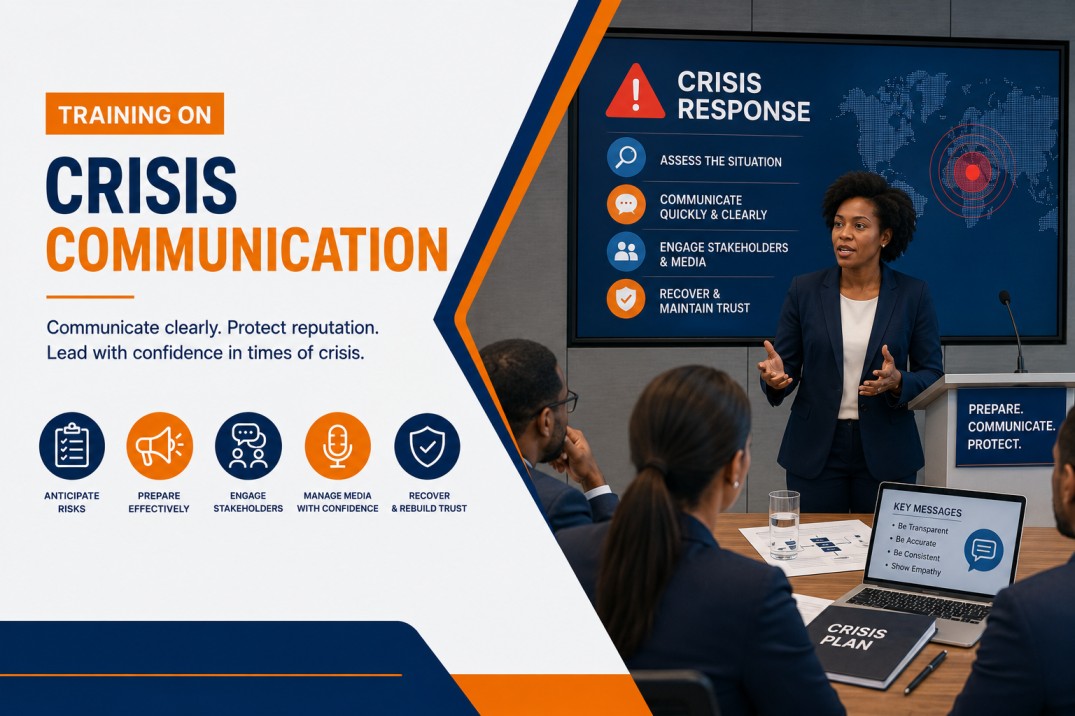
- Manage communication during international events and crises
- Apply digital diplomacy tools and emerging technologies
- Develop institutional protocol and diplomatic communication frameworks
Course Duration
- Classroom – 5 Days
- Online – 7 Days
Course Outline
Foundations of International Protocol
- International protocol principles
- Diplomatic etiquette
- Protocol precedence
- Professional conduct
- Assessing protocol practices
Diplomatic Communication
- Diplomatic communication principles
- Official representation
- Diplomatic language
- Communication ethics
- Preparing diplomatic communication guidelines
Cross-Cultural Communication
- Cultural intelligence
- Cultural awareness
- International etiquette
- Cultural sensitivity
- Conducting a cross-cultural communication assessment
Diplomatic Correspondence
- Diplomatic notes
- Official correspondence
- Formal invitations
- Official documentation
- Preparing diplomatic correspondence templates
State Visits and Official Engagements
- State visit planning
- Official ceremonies
- Diplomatic receptions
- Protocol coordination
- Developing a state visit protocol plan
International Meetings and Conferences
- Meeting preparation
- Delegation management
- International conferences
- Multilateral engagements
- Preparing an international meeting protocol guide
Diplomatic Negotiation and Dialogue
- Negotiation principles
- Consensus building
- Diplomatic dialogue
- Conflict resolution
- Conducting a diplomatic negotiation simulation
Public Diplomacy and International Relations
- Public diplomacy
- International partnerships
- Institutional representation
- Stakeholder engagement
- Developing a public diplomacy strategy
Crisis Communication in International Engagement
- Diplomatic crisis communication
- Emergency communication
- Reputation protection
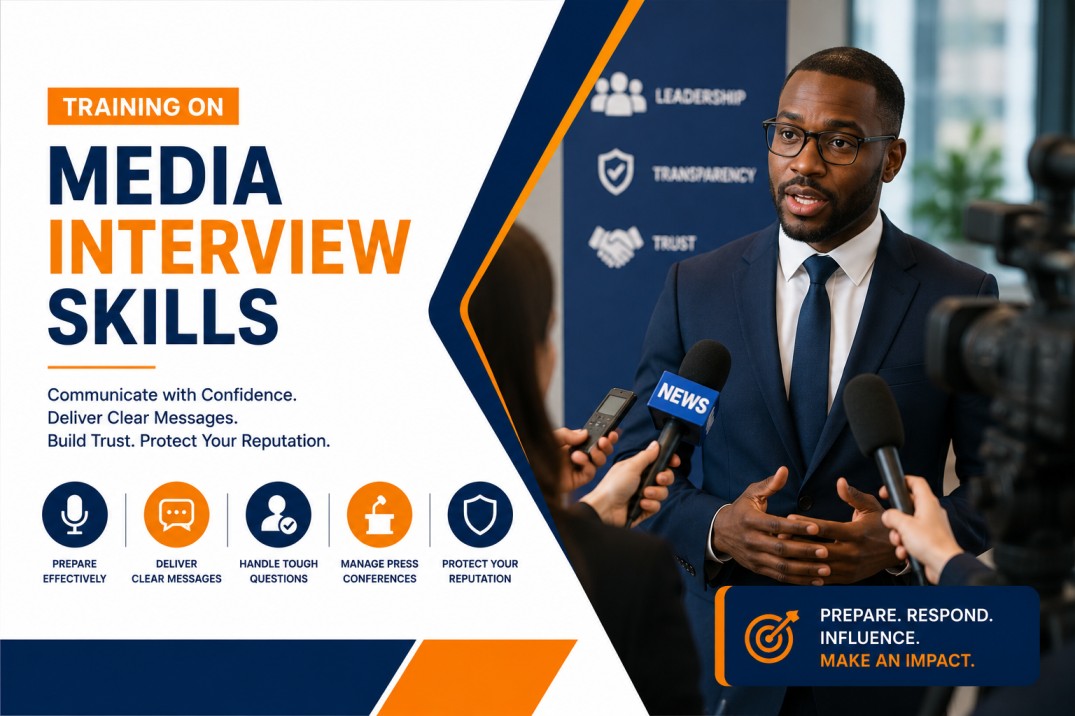
- International media response
- Developing a diplomatic crisis communication plan
Digital Diplomacy and AI
- Digital diplomacy
- Virtual diplomacy
- AI communication tools
- Digital engagement
- Applying AI to diplomatic communication
Ethics, Governance and International Cooperation
- Diplomatic ethics
- International governance
- Treaty obligations
- Institutional accountability
- Developing a diplomatic code of conduct
Diplomatic Communication Capstone
- Protocol simulation
- Diplomatic communication exercise
- Negotiation presentation
- Facilitator feedback
- Presenting an International Protocol and Diplomatic Communication Strategy
Training Approach
This course adopts a highly practical and experiential learning approach through protocol demonstrations, diplomatic communication workshops, negotiation simulations, intercultural communication exercises, diplomatic correspondence drafting, official visit planning, international meeting simulations, case study analysis, AI-assisted communication exercises, peer learning, and facilitator coaching. Participants engage in realistic diplomatic scenarios, develop practical protocol tools, and receive feedback to strengthen their confidence and effectiveness in international engagements.
During the course, participants will develop practical outputs including an International Protocol Manual, Diplomatic Communication Framework, Diplomatic Correspondence Templates, Official Communication Guide, State Visit Protocol Plan, International Meeting Protocol Guide, Cross-Cultural Communication Framework, Diplomatic Negotiation Plan, Public Diplomacy Strategy, Diplomatic Crisis Communication Plan, Digital Diplomacy Strategy, Diplomatic Code of Conduct, AI Prompt Library for Diplomatic Communication, International Engagement Action Plan, and a Workplace Protocol Improvement Plan.
Certification
Upon successful completion of this course, participants will be issued with a certificate of Course Completion.
Tailor-Made Course
We can also deliver this programme as a tailor-made course for Ministries of Foreign Affairs, Immigration Services, Customs Authorities, Diplomatic Missions, Embassies, High Commissions, International Organizations, Regional Economic Communities, Government Ministries, Regulatory Authorities, Development Partners, International NGOs, Universities, and multinational organizations. Protocol exercises, diplomatic scenarios, negotiation simulations, and communication activities can be customized to reflect your institution’s mandate, international responsibilities, diplomatic priorities, and operational environment.