| Location | Duration | Kenyan Cost | Non-Kenyan Cost | Upcoming Schedules |
|---|---|---|---|---|
| Nairobi, Kenya | 10 Days | KES 230,000 | USD 2,900 | Enroll |
| Kigali, Rwanda | 10 Days | USD 3,800 | USD 3,800 | Enroll |
| Kampala, Uganda | 10 Days | USD 3,800 | USD 3,800 | Enroll |
| Dar es Salaam, Tanzania | 10 Days | USD 4,000 | USD 4,000 | Enroll |
| Dubai, UAE | 10 Days | USD 7,500 | USD 7,500 | Enroll |
| Abuja, Nigeria | 10 Days | USD 7,800 | USD 7,800 | Enroll |
| Accra, Ghana | 10 Days | USD 7,500 | USD 7,500 | Enroll |
| Pretoria, South Africa | 10 Days | USD 7,500 | USD 7,500 | Enroll |
About the Course
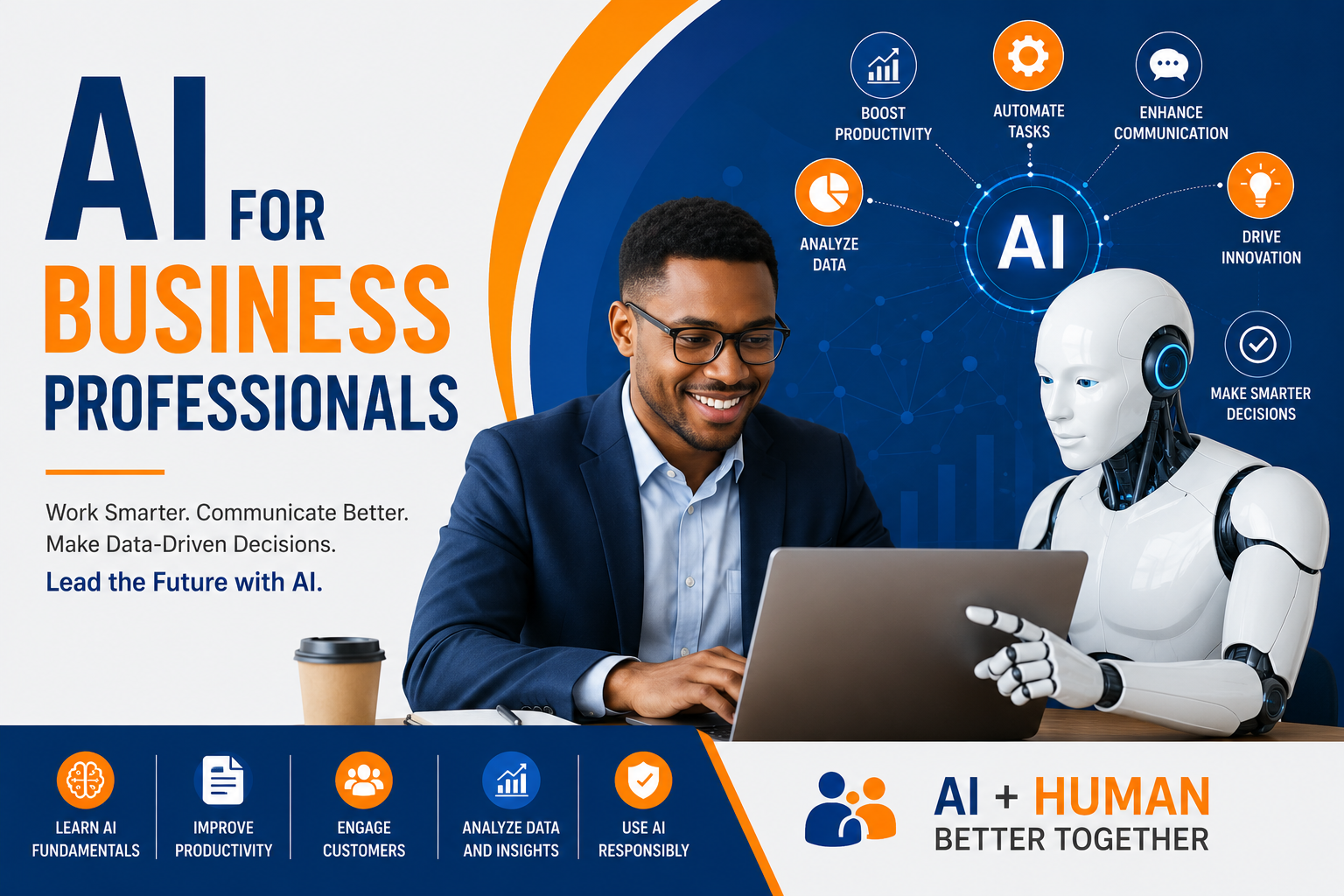
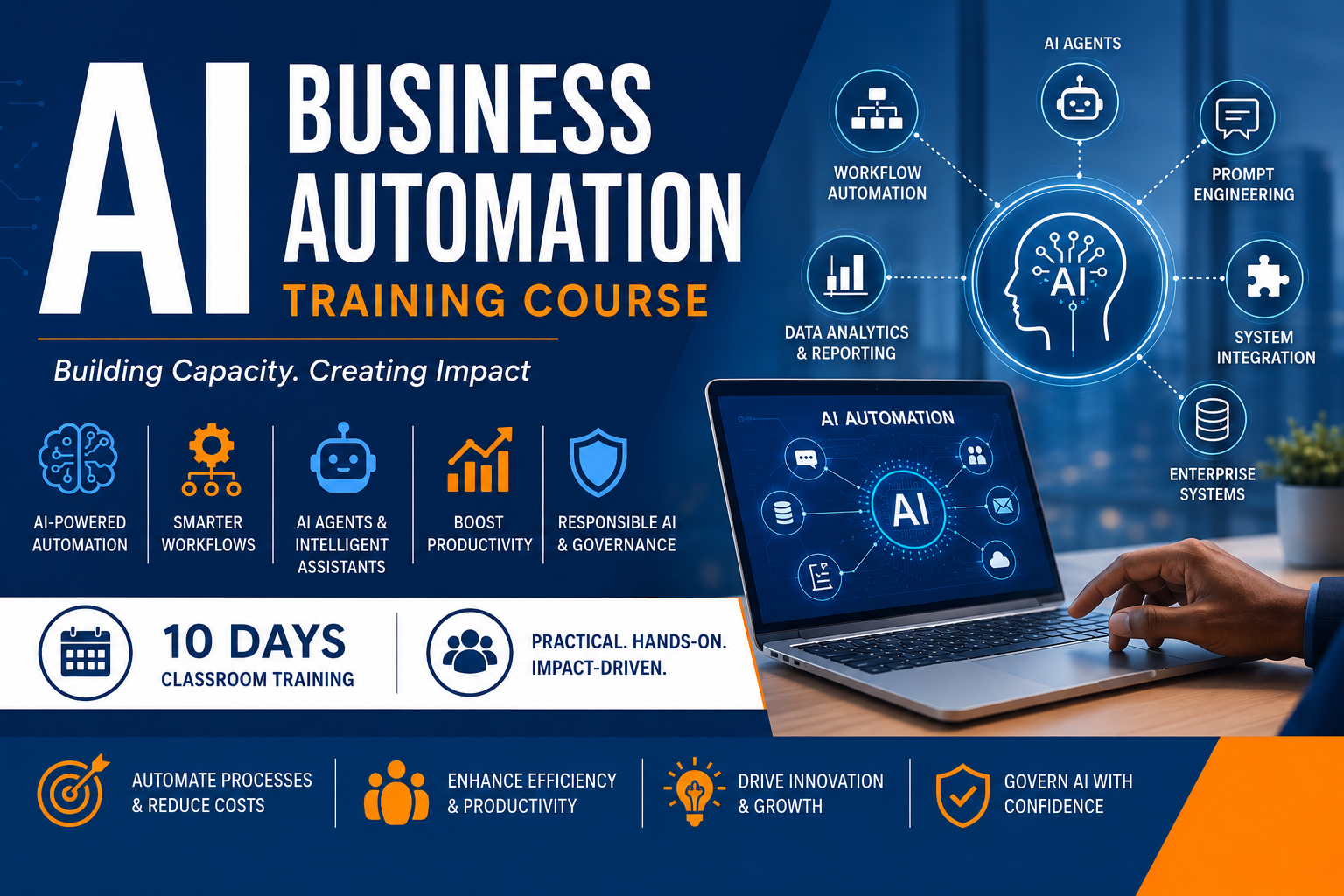
Artificial Intelligence is rapidly transforming how organizations operate, compete, and innovate. From automation and predictive analytics to generative AI tools that enhance productivity, AI is becoming a critical capability for modern professionals.
This course equips participants with practical knowledge of artificial intelligence concepts, tools, and strategies required to integrate AI into everyday work processes. Participants will explore how AI can improve decision-making, automate routine tasks, enhance communication, and unlock new opportunities for innovation.
Through practical demonstrations, case studies, and guided exercises, participants will gain hands-on experience with leading AI platforms while learning how to deploy these technologies responsibly and strategically within their organizations.
Target Participants
This program is tailored for mid- to senior-level professionals, including managers, team leaders, business analysts, and technical specialists, who are responsible for planning, overseeing, or collaborating on AI initiatives.
What You Will Learn
By the end of the course, participants will be able to:
- Understand key AI concepts, trends, and applications in the workplace
- Apply prompt engineering techniques to optimize interactions with AI tools
- Explore and use AI tools for productivity, automation, and communication
- Identify strategic AI opportunities within their organization
- Plan responsible AI adoption, addressing ethical and governance concerns
- Integrate AI into workflows to improve efficiency and innovation
Course Duration
Two week
Course Outline
Introduction to Artificial Intelligence
- Introduction to Artificial Intelligence
- Key definitions and terminology in AI
- Evolution of AI technologies
- Types of AI systems and capabilities
- Real-world AI applications across sectors
AI in the Corporate Environment
- Role of AI in transforming businesses
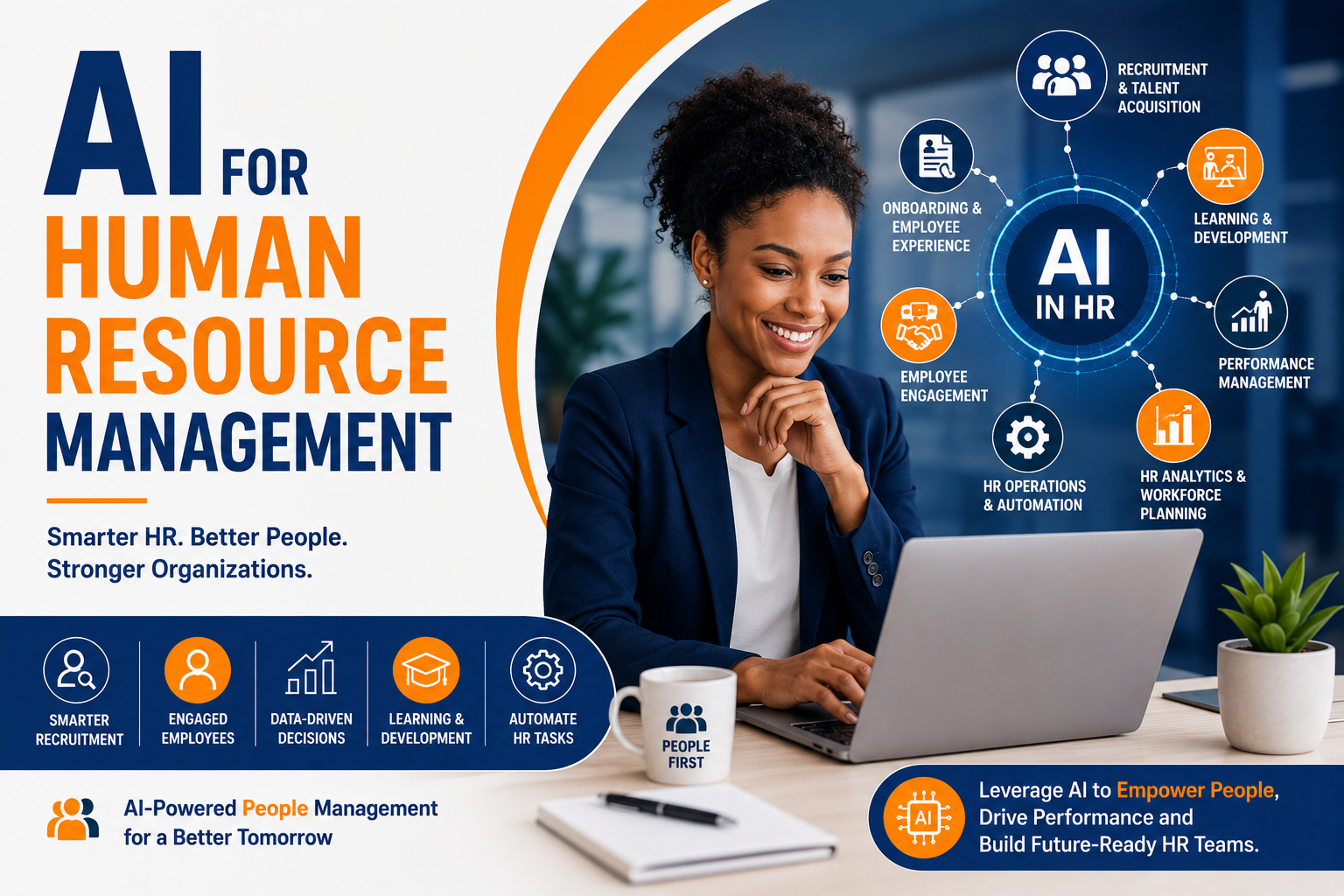
- AI applications in customer service, HR, finance, and operations
- Case studies of AI integration in organizations
- Risks and limitations of AI in corporate settings
- Opportunities and limitations of AI
Exploring AI Tools
- Overview of popular AI tools (ChatGPT, Bard, Copilot, Notion AI, Grammarly, etc.)
- AI for document creation, summarization, and research
- AI in communication: chatbots, email drafting, presentations
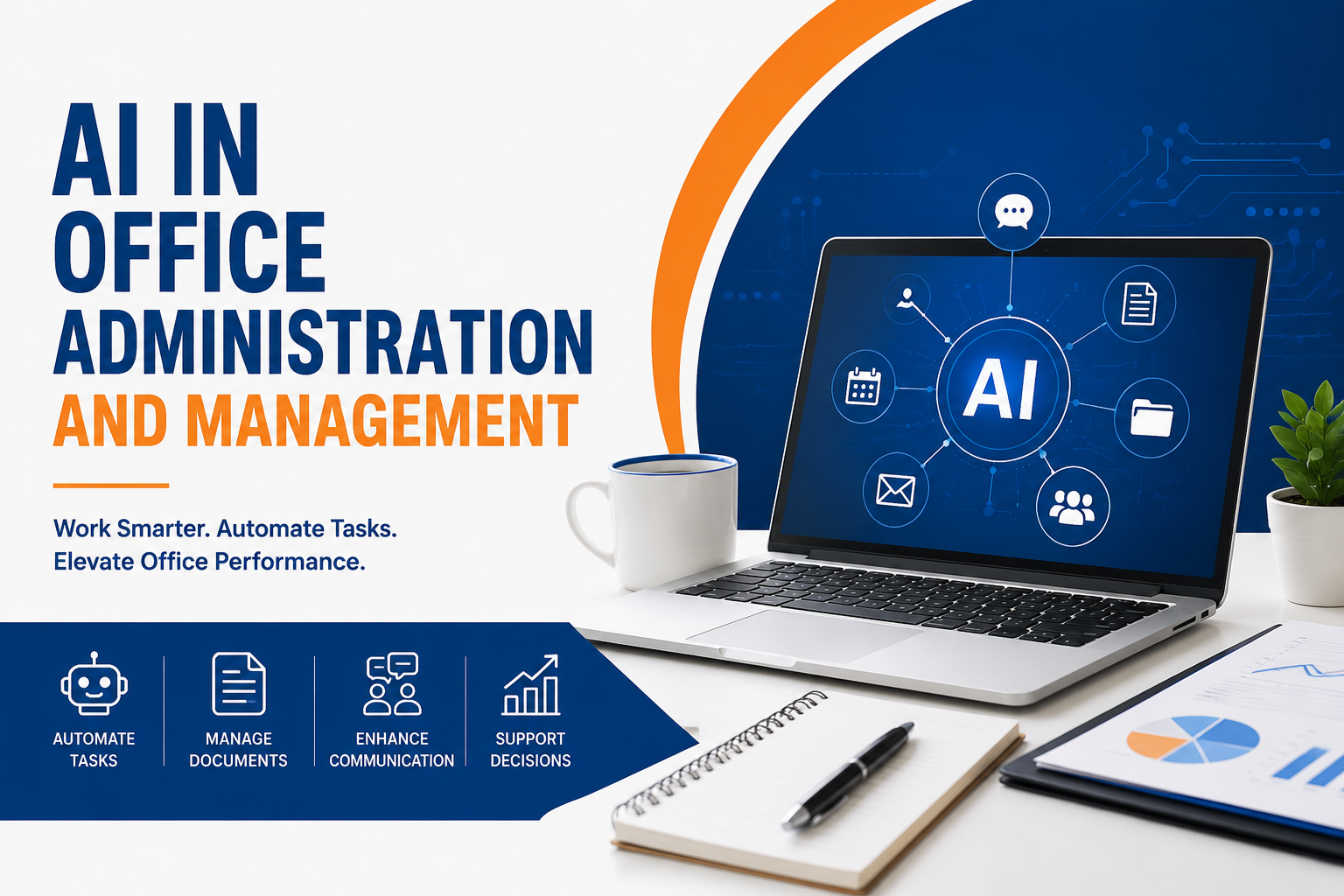
- AI in project/task management and scheduling
- Integrations with productivity suites (Google Workspace, Microsoft 365)
AI for Work and Productivity
- Using AI for knowledge work: writing, analysis, decision support
- AI in visual design and content generation (Canva, Midjourney, etc.)
- Task automation with AI tools (Zapier, Make, AI bots)
- Collaboration and virtual assistance (meeting notes, transcription, action items)
- Personalizing AI use based on role and department
Fundamentals of Prompt Engineering
- Introduction to prompts and their role in AI performance
- Crafting effective prompts: clarity, context, and commands
- Prompt types: instructive, descriptive, iterative
- Hands-on with prompt refinement using ChatGPT, Gemini, and Copilot
- Real-world prompt applications in business functions
Data and AI-Driven Decision Making
- Data analysis fundamentals for AI implementation
- Identifying patterns, trends, and insights from data
- Supervised vs unsupervised learning: classification, clustering
- Neural networks and predictive analytics
- Business decision-making with AI-powered insights
Planning and Managing AI Projects
- Strategic planning for AI initiatives
- Mapping data architecture and infrastructure needs
- ROI and business case development for AI projects
- Prioritization frameworks for AI adoption
- Project lifecycle: pilot, scale-up, monitoring, and evaluation
Responsible and Ethical AI
- Principles of responsible AI (transparency, fairness, accountability)
- Data privacy, consent, and bias mitigation
- Developing internal policies for AI usage
- AI governance and internal controls
- Regulatory frameworks and compliance (GDPR, AI Act)
Best Practices and Change Management for AI Adoption
- AI change management: mindset, structure, and processes
- Building an AI-ready culture
- Training and upskilling employees on AI tools
- Creating champions and cross-functional AI teams
- Measuring adoption success and continuous improvement
AI Strategy Development
- AI opportunity mapping for your organization
- Designing a responsible AI integration plan
- Course Recap and Action Planning
Training Approach
Our Training on Artificial Intelligence for Professionals is delivered by our seasoned trainers who have vast experience as expert professionals. The course is taught through a mix of practical activities, theory, group works and case studies.
Training manuals and additional reference materials are provided to the participants.
Certification
Upon successful completion of this Training on Artificial Intelligence for Professionals course, participants will be issued with a certificate.
Tailor-Made Course
We can also do this as a tailor-made course to meet organization-wide training needs. A training needs assessment will be done on the training participants to collect data on the existing skills, knowledge gaps, training expectations and tailor-made needs.